


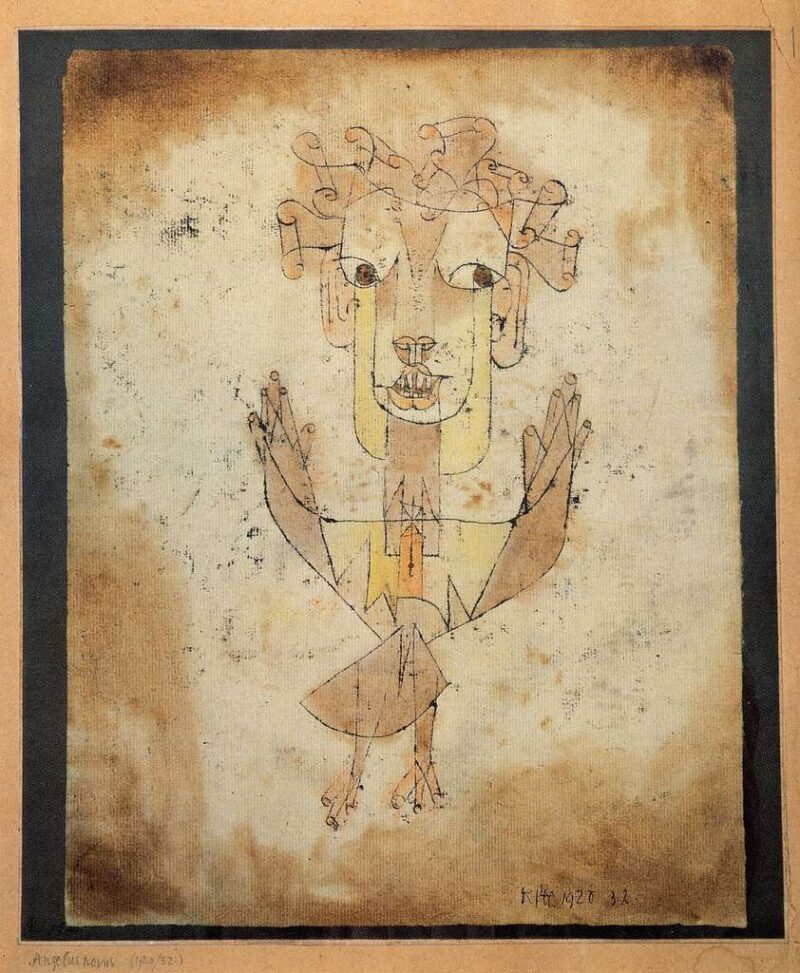
Realized Utopia and Utopia in fieri. From what-is-already-here to what-is-yet-to-come
My project addresses the global environmental crisis by contrasting the current “realized utopia” of Western capitalist societies with a proposed “utopia in fieri.” While the former thrives on exploitation and consumerism, the latter offers a pluralistic, open-ended alternative. My thesis advocates for a dynamic worldview rooted in solidarity, indignation, and irony, replacing destructive assumptions with a vision that embraces contingency, plurality, and deep, social, transformative human possibility.

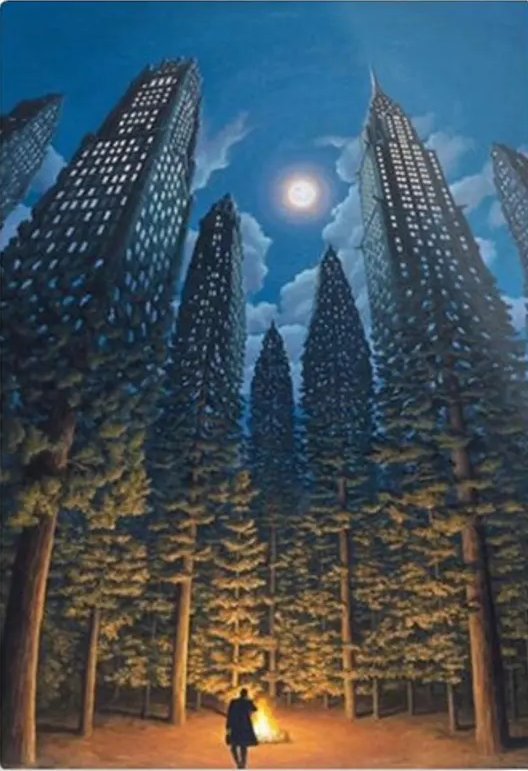
The ways in which we think about the environmental crisis must be transformed, beginning with a modification in the assumptions underlying our habits.
Starting with the idea that the way in which the world is understood and represented in Western advanced capitalist societies relates to the ecological crisis and many other injustices and inequalities, I argue that an alternative utopia – in the sense of a different image of the world that speaks about the best possible world – is needed.
My thesis is thus focused on the opposition between two utopian representations of our world: a “realized utopia” and a “utopia in fieri”. This opposition is intended to explore a new way of thinking, capable of abandoning some of our most rooted and destructive assumptions, in favor of an open-ended future.
The first part of the thesis is dedicated to the analysis of the realized utopia, that is the current dominant image of the world in Western capitalist societies. The core features of this utopia are scientism, consumerism, and a specific rhetoric of work. Two most fundamental ideas constitute the base for these characteristics to flourish: domination and exploitation. From the point of view of the practical outcome of this kind of knowledge, this utopia is characterized by a joyful nihilistic attitude, that thrives in exploitation and seeks nothing but welfare and pleasure.
The second part of the thesis outlines an alternative utopia. This utopia’s epistemic framework is based on indignation and irony. Its core features are openness and plurality, and it is conceived as an infinite plurality of perspectives, forms of knowledge, experiences and alternatives. This different utopia thus retrieves some of the key features of classical utopias – namely the projection into the realm of possibilities, the intertwining of different temporalities, and the tension between what is actualized and what is envisioned – and pairs them with the pluralistic and possibilistic conception of the universe elaborated by William James. The aim of this utopia is to propose a vision of the world that is dynamic, oriented toward solidarity, always open to new inputs and aware of its contingency and transience.